



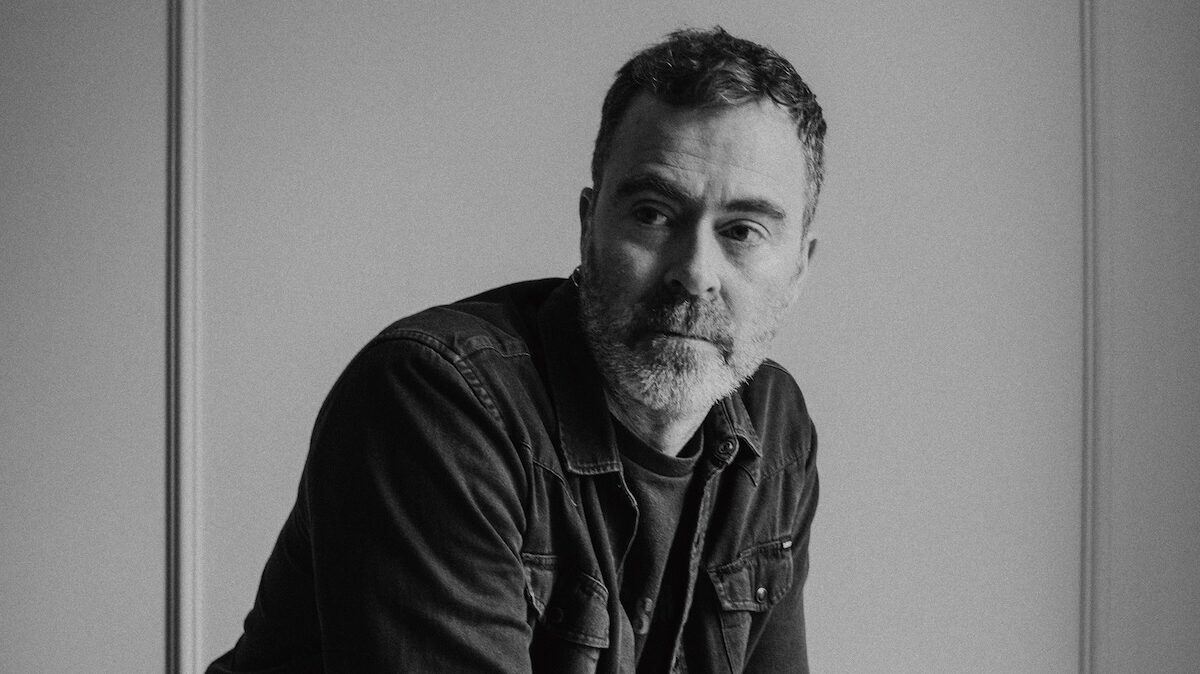
En la memoria de Pol Rodríguez, crecer en un restaurante signifca recordar, ante todo, lo que es trabajar duro. De hecho, una de las imágenes más nítidas que recuerda es “una montaña de vasos —de agua, de vino, de cortado, de cava— que nunca terminaba”. Así, mientras sus amigos iban al cine los viernes por la noche, él se quedaba detrás de la barra, aprendiendo, desde muy pequeño, al acelerado ritmo de la hostelería. Pero junto al esfuerzo también aparecieron las cenas de después del servicio, muchas veces compartidas con clientes que ya eran casi familia y que han terminado marcando su relación con los bares y con la idea de hogar.
Esa experiencia vital es también el origen de Ravalear, su último proyecto para HBO Max, que nace de la propia historia familiar del director, atravesada por una larga negociación con un fondo de inversión por el edificio donde se encontraba Can Lluís, la crisis de vivienda en Barcelona y, finalmente, su desahucio durante la pandemia. “La realidad acabó imponiéndose a la ficción, lo que me llevó a transformar el largometraje que estaba escribiendo por aquel entonces en una serie”.
En ese proceso, uno de los objetivos fundamentales fue preservar la esencia del restaurante familiar, abierto por su bisabuelo en 1929, y trasladarla a Ravalear como Can Mosques. El director quiso conservar su “alma” en todas las paredes mediante “cuadros de clientes habituales, regalos, partes de libros de firmas de amigos” y todos esos pequeños gestos que convierten un bar en un lugar con memoria propia. Y es que para Pol, la cultura del bar y de la sobremesa no solo es parte de su día a día, sino una forma de entender el país. “Si hay un sitio que nos representa a todos, es una mesa”, afirma.
Entre sus lugares habituales en Barcelona menciona restaurantes como El Racó de l’Agüir o Els Ocellets, y bares como La Cañada o el Bar Bitter, en Sant Antoni. Lugares que, más allá de la comida o la bebida, siguen funcionando como escenarios donde la vida continúa escribiéndose sin guión.
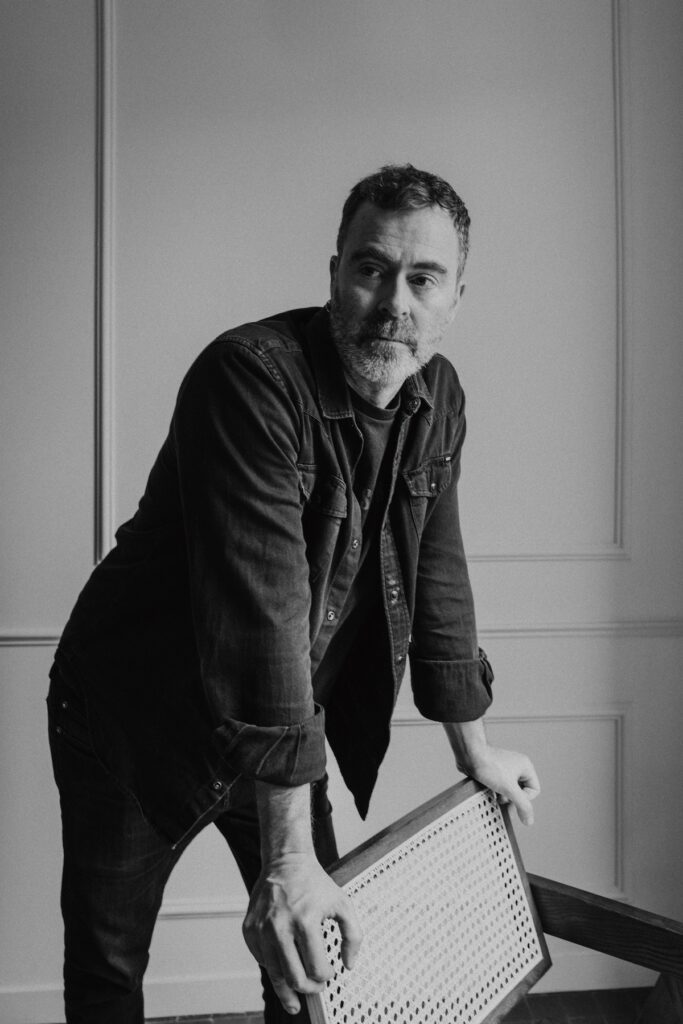
In the memory of Pol Rodríguez, growing up in a restaurant primarily means remembering what hard work truly is. One of his clearest early images is “a mountain of cups —of water, wine, espresso, cava— that never seemed to end.” While his friends went to the cinema on Friday nights, he stayed behind the bar, learning from a very young age the fast-paced rhythm of the hospitality world. But alongside the effort came the late-night post-service dinners, often shared with customers who had already become almost like family, moments that have ultimately shaped his relationship with bars and with the very idea of home.
That lived experience is also the origin of ‘Ravalear’, his latest project for HBO Max, drawn from his own family story, marked by a long negotiation with an investment fund over the building where Can Lluís was located, the housing crisis in Barcelona, and ultimately its eviction during the pandemic. “Reality ended up imposing itself on fiction, which led me to turn the feature «lm I was writing at the time into a series,” he explains.
In that process, one of the key goals was to preserve the essence of the family restaurant, founded by his great-grandfather in 1929, and translate it into ‘Ravalear’ as Can Mosques. The director sought to retain its “soul” across every wall, through “portraits of regular customers, gifts, pages from guest books signed by friends,” and all those small gestures that turn a bar into a place with its own memory. For Pol, bar culture and the tradition of Spanish sobremesa are not just part of his everyday life, but a way of understanding the country itself. “If there is one place that represents us all, it is a table,” he says.
Among his regular spots in Barcelona, he mentions restaurants such as El Racó de l’Agüir and Els Ocellets, as well as bars like La Cañada and Bar Bitter in Sant Antoni. Places that, beyond food or drink, continue to function as stages where life keeps being written without a script.